How to Transition Your Business for Long-Term Stewardship


Understanding Long-Term Stewardship
Transitioning your business for long-term stewardship involves a comprehensive approach that focuses on sustainability, ethical practices, and legacy planning. This strategy ensures that your business remains viable and responsible over time, adapting to changes and maintaining its core values.
Stewardship emphasizes the importance of managing resources efficiently and ethically. By adopting this mindset, businesses can foster trust with stakeholders and create a positive impact on society and the environment.
Assess Your Current Business Model
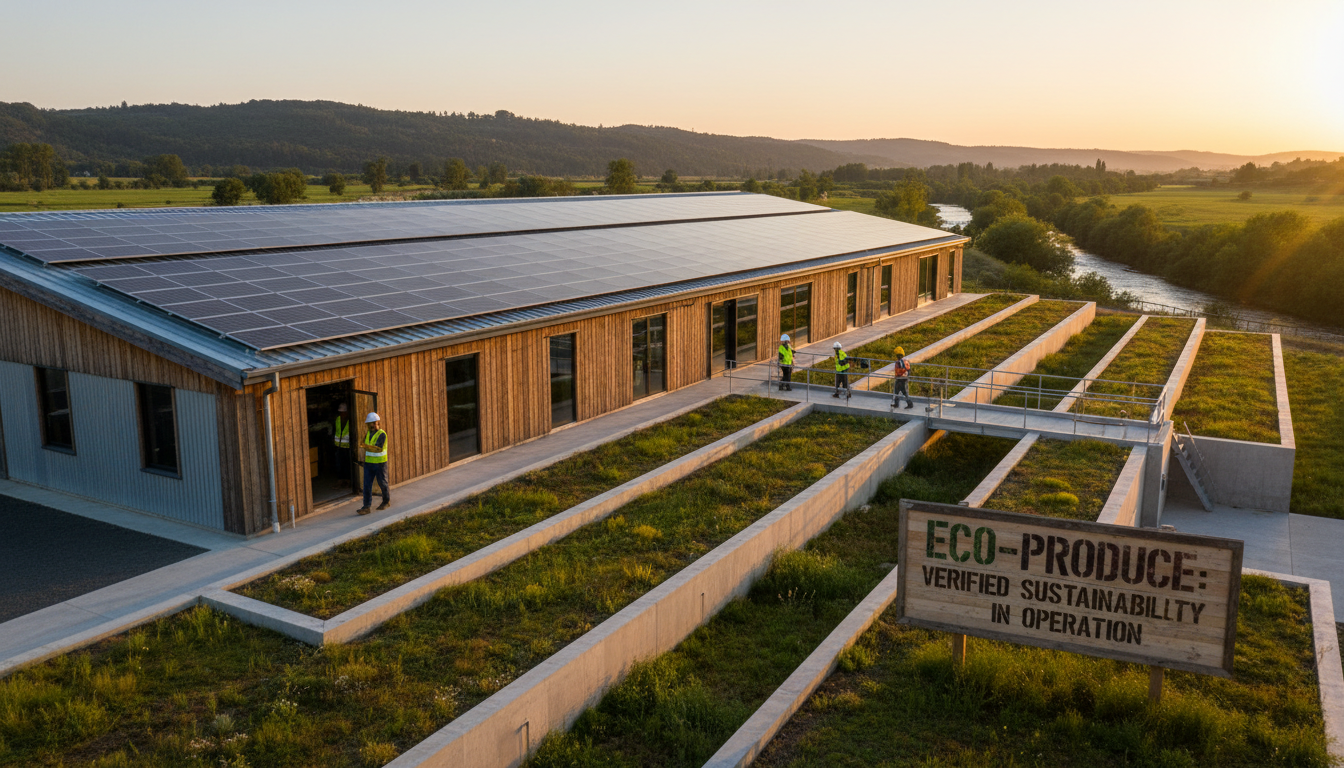
The first step in transitioning your business is to assess your current model. Evaluate your operations, supply chain, and stakeholder relationships. Identify areas where sustainability and ethical practices can be integrated.
Consider conducting a SWOT analysis to understand your strengths, weaknesses, opportunities, and threats in the context of stewardship. This will provide a clear picture of where improvements can be made.
Engage with Stakeholders
Engaging with stakeholders is crucial for successful stewardship. This includes employees, customers, suppliers, and the community. Open communication fosters transparency and encourages collaboration in achieving common goals.
Organize regular meetings and consultations to gather feedback and insights. This approach not only strengthens relationships but also helps in identifying new opportunities for sustainable growth.

Implement Sustainable Practices
Once you have a clear understanding of your business model and stakeholder expectations, start implementing sustainable practices. This could include reducing waste, optimizing energy use, and sourcing materials responsibly.
Set measurable goals and track progress regularly. By doing so, you can ensure that your efforts are making a tangible impact and adjust strategies as needed.
Invest in Employee Development
Employees are a vital part of your stewardship journey. Invest in their development through training and education focused on sustainability and ethical practices. Empowering employees with the right knowledge and skills can drive innovation and commitment to your stewardship goals.

Plan for Legacy and Succession
Long-term stewardship requires planning for the future. Develop a clear strategy for legacy and succession to ensure the continuity of your business values and practices. Consider involving future leaders in current decision-making processes to prepare them for leadership roles.
Document your stewardship goals and strategies in a formal plan. This will serve as a guide for future leaders and ensure that the business remains aligned with its core values over time.
Monitor and Adapt
The business landscape is constantly evolving. Regularly monitor external trends and internal performance metrics to adapt your strategies as needed. Staying agile and responsive will help your business thrive in the long run.
Utilize technology and data analytics to gain insights into market changes and consumer behavior. This information is invaluable for making informed decisions that align with your stewardship objectives.

Conclusion
Transitioning your business for long-term stewardship is a journey that requires commitment, collaboration, and continuous improvement. By embracing sustainability and ethical practices, you can ensure that your business not only survives but thrives, leaving a positive legacy for future generations.
Start today by assessing your current model, engaging with stakeholders, and implementing sustainable practices. With dedication and strategic planning, your business can become a leader in responsible stewardship.