Long-Term Stewardship: Investing Beyond Trends


Understanding Long-Term Stewardship
In today's fast-paced world, it's easy to get swept up in the latest trends and fads. However, for those looking to make a meaningful, lasting impact, focusing on long-term stewardship is essential. This approach emphasizes sustainability and responsibility rather than short-term gains.
Long-term stewardship involves making decisions that benefit not only the present but also future generations. It's about investing in resources, relationships, and strategies that will stand the test of time. This mindset can be applied across various sectors, including business, environmental conservation, and personal growth.

The Importance of Sustainable Investments
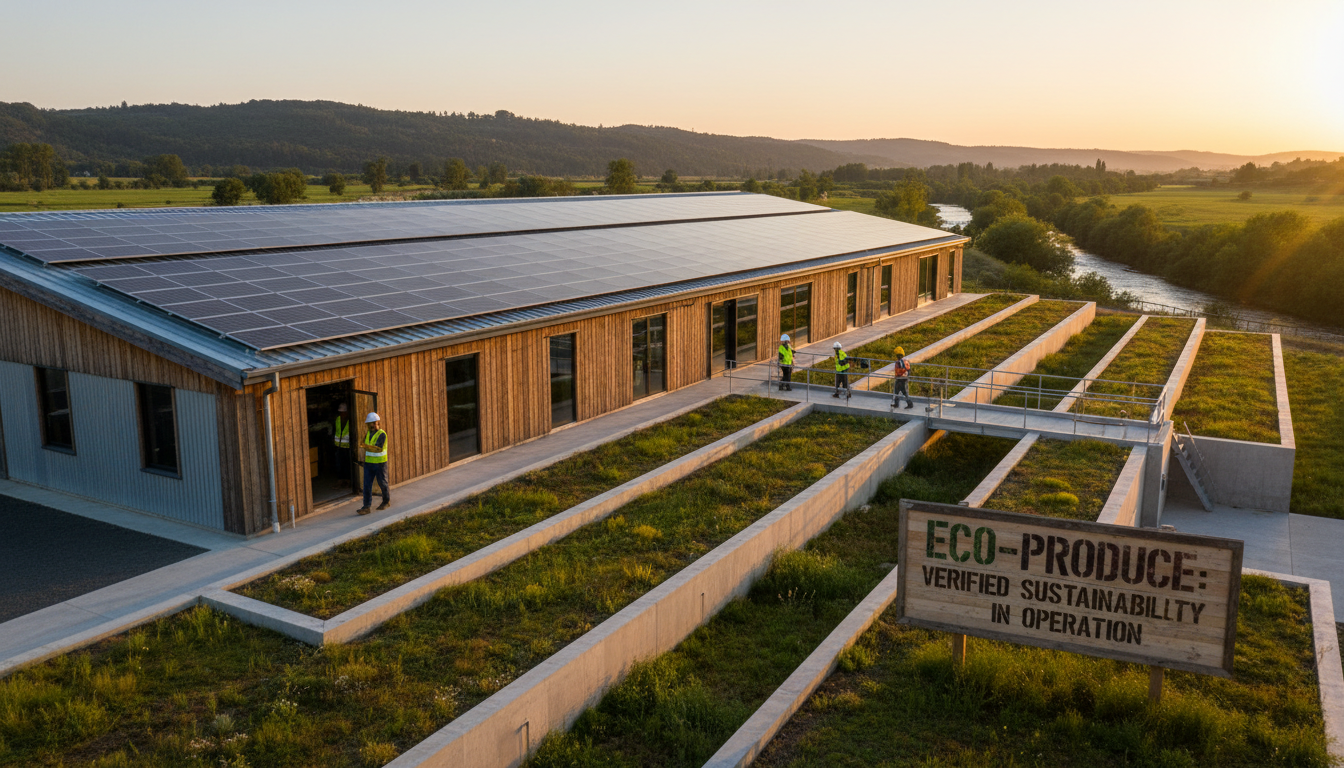
Investing sustainably means putting resources into projects and companies that prioritize ethical practices and environmental responsibility. This approach not only supports a healthier planet but also often results in more stable, reliable returns over time. Businesses that adopt sustainable practices are increasingly viewed as leaders in their fields.
When a company focuses on long-term stewardship, it considers the social and environmental impacts of its actions. This can lead to innovations in energy efficiency, waste reduction, and community engagement. By prioritizing sustainability, companies are better positioned to adapt to changing regulations and consumer expectations.
Building Resilient Relationships
Long-term stewardship isn't just about financial investments; it's also about cultivating strong relationships. Whether it's between businesses and their customers, or among community members, these relationships are the backbone of sustainable growth. Trust and reliability form the foundation of any lasting partnership.
Investing in relationships means taking the time to understand the needs and goals of others. This can lead to more collaborative and innovative solutions that benefit everyone involved. Businesses that prioritize customer satisfaction and employee well-being often see increased loyalty and productivity.

Adapting to Change with a Long-Term Perspective
While trends come and go, a focus on long-term stewardship helps organizations and individuals remain adaptable. By planning for the future and considering potential challenges, it's possible to create flexible strategies that can weather unforeseen changes.
Embracing a long-term perspective means being open to innovation and continuous improvement. This proactive approach can lead to the discovery of new opportunities and the development of more resilient business models.

Conclusion: A Commitment to the Future
Ultimately, long-term stewardship is about making a commitment to the future. It's about recognizing the interconnectedness of our actions and their impact on the world around us. By investing in sustainable practices, strong relationships, and adaptive strategies, we can create a more resilient and prosperous future for all.
Whether you're a business leader, an environmental advocate, or simply someone looking to make a positive impact, adopting a long-term stewardship mindset can lead to meaningful and lasting change. It's an investment that goes beyond trends and focuses on what truly matters.